

In short: this is an editorial (unofficial) ranking of the most famous treks in the world, ordered by what each one offers: scenery, culture, accessibility and challenge. The 10 include routes in Nepal, Patagonia, the Alps, Africa, Iceland, Tasmania and the Andes, and two of them reach Machu Picchu: the Inca Trail and Salkantay.
Quick comparison
| Trek | Country | Approx. duration | Approx. highest point | Best for |
|---|---|---|---|---|
| Everest Base Camp | Nepal | 12 to 14 days | 5,364 m (base camp) | The Himalayan giants |
| Annapurna Circuit | Nepal | 12 to 20 days | 5,416 m (Thorong La pass) | Variety of cultures and landscapes |
| Torres del Paine (W and O) | Chile | 4 to 10 days | Under 1,500 m | Patagonia, glaciers and granite |
| Tour du Mont Blanc | France, Italy, Switzerland | 10 to 11 days | Around 2,500 m | Three countries in one loop |
| Kilimanjaro | Tanzania | 6 to 8 days | 5,895 m | The highest summit in Africa |
| Inca Trail | Peru | 4 days | 4,215 m | Inca ruins and the Sun Gate |
| Salkantay | Peru | 5 days | 4,650 m | Snow peaks, jungle and Machu Picchu |
| Laugavegur | Iceland | 4 days | Around 1,100 m | Volcanoes, hot springs and glaciers |
| Overland Track | Tasmania, Australia | 6 days | Around 1,500 m | Untouched nature |
| Laguna de los Tres (Fitz Roy) | Argentina | 1 to 3 days | Around 1,200 m | The Fitz Roy postcard |
Figures are approximate and change depending on the route variant you choose.
1. Everest Base Camp (Nepal)
The most famous mountain hike on the planet: you fly to Lukla and climb for about two weeks through Sherpa villages and monasteries to Everest Base Camp, at about 5,364 m. It is a classic for its altitude and atmosphere, and requires very careful acclimatization.
2. Annapurna Circuit (Nepal)
A long, varied route that crosses the Thorong La pass, at about 5,416 m, through rice fields, forests and high desert. It is the ideal trek for those who want to see how the landscape and culture change at every stage.
3. Torres del Paine (Chile)
The W (about 4 to 5 days) and O (7 to 10 days) circuits run past glacial lakes, forests and the granite towers that give the park its name. Here the challenge is not altitude but the wind and the changing Patagonian weather.
4. Tour du Mont Blanc (Alps)
About 170 km around the Mont Blanc massif through France, Italy and Switzerland, sleeping in mountain huts and villages. It is one of the best organized treks in Europe.
5. Kilimanjaro (Tanzania)
It is not technical, but it reaches 5,895 m, the highest summit in Africa. Longer routes, of 7 to 8 days, give more time to acclimatize and have a better success rate than short ones.
6. Inca Trail (Peru)
It is the mountain route with the most history in the world: you walk 4 days on paths built by the Incas, cross the Warmiwañusca Pass (4,215 m), pass sites such as Sayacmarca, Phuyupatamarca and Wiñay Wayna and enter Machu Picchu through the Sun Gate. It requires a permit issued by name and closes in February. All the information in the 4-day Inca Trail guide.
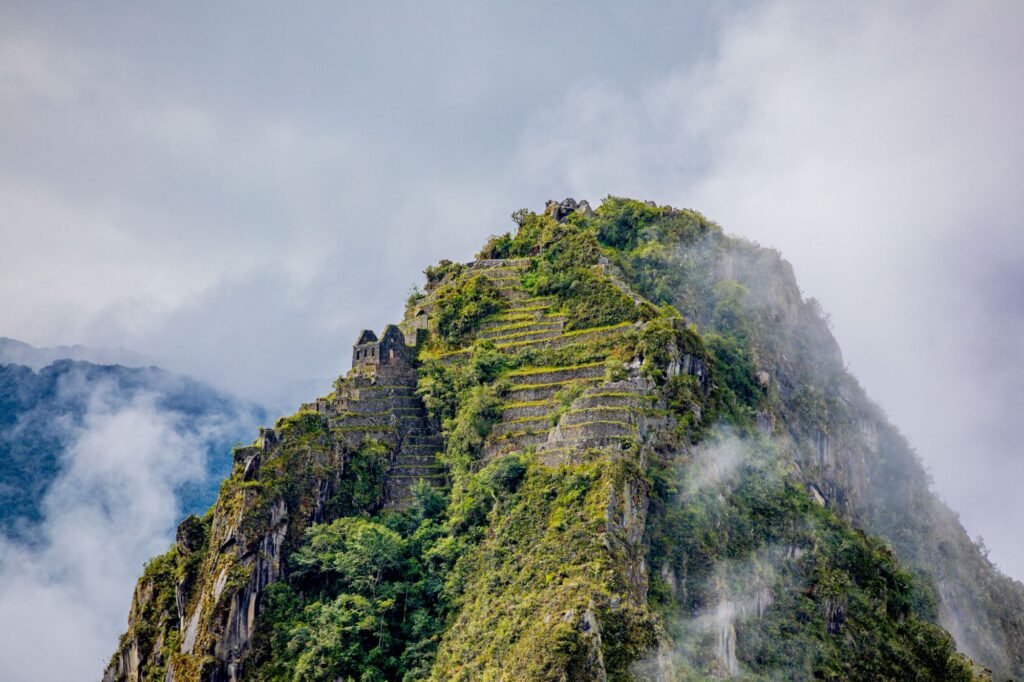
7. Salkantay (Peru)
For many, the most spectacular alternative: you pass Humantay Lake, cross the Salkantay Pass (4,650 m) at the foot of the snow peak and descend to the high jungle until you see Machu Picchu from Llactapata. It needs no route permit. Full itinerary in the Salkantay Trek guide.
8. Laugavegur (Iceland)
About 55 km over four days among colorful volcanoes, hot springs and glaciers, with huts along the way. It is short, accessible and very photogenic.
9. Overland Track (Tasmania)
About 65 km through Cradle Mountain National Park over six days, with scenery of mountains, lakes and forests. It is booked with a quota and highly valued for its untouched nature.
10. Laguna de los Tres, Fitz Roy (Argentina)
From El Chaltén you hike for a day to the lake with the best view of Fitz Roy. It proves that a great trek does not always last a week.
How to choose between them?
- You want extreme altitude: Everest or Annapurna, with months of preparation.
- You want nature and low altitude: Torres del Paine, Laugavegur or Overland Track.
- You want culture and history: Inca Trail or Salkantay, in Cusco.
- You have few days: Laguna de los Tres or the one-day treks in Cusco, such as Humantay Lake.
If you decide on Peru, compare the routes in the best treks in Cusco and the best treks in Peru, or tell us your dates and we will recommend the best one.
Frequently asked questions
What is the best trek in the world?
There is no official one: it depends on what you are looking for. Everest Base Camp is the most iconic for its altitude, Torres del Paine for its Patagonian scenery and the Inca Trail for combining mountains, history and arrival at Machu Picchu.
Which famous trek is the easiest?
Among those on this list, the Laugavegur (Iceland) and the Overland Track (Tasmania) do not reach significant altitudes. Those in Peru and Nepal require acclimatization to altitude.
Where do the Inca Trail and Salkantay fit in the ranking?
Both are among the best known in the world because they combine a high mountain pass, living culture and an ending at one of the New Seven Wonders of the World: Machu Picchu.
Do I need experience for these treks?
For most of them you do not need technical experience, but you do need good fitness. On routes above 4,000 m, acclimatization matters more than strength.