



In short: in Cusco it rains more from November to March. You can hike, but trails are more slippery, clouds can hide the views and the Inca Trail closes in February. The upside: fewer people and more availability. If you travel on those dates, choose Salkantay or a day hike, bring good rain gear and book with a formal agency.
What changes from November to March
| Rain | More frequent, with afternoon showers and clouds in the morning. |
|---|---|
| Trails | Mud and slippery rocks, especially on descents. |
| Views | The snow peaks and Machu Picchu can be hidden in clouds. |
| Inca Trail | Closed in February; the rest of the months it runs with a permit. |
| Crowds | Fewer tourists and more availability. |
| Scenery | Greener, with waterfalls and vegetation at its best. |
Pros and cons of hiking in the rain
Pros
- Fewer people on the trails and at Machu Picchu.
- More date availability, especially for Salkantay.
- Greener scenery with waterfalls.
Cons
- More cold and humidity, and days of continuous rain.
- Views hidden by clouds at times.
- More risk of landslides on mountain roads; operators change or suspend stages when needed.
Which route to choose in the rainy season
- February: the Inca Trail is closed. Choose the Salkantay Trail to Machu Picchu, which keeps running.
- Little time: the 2-day Machu Picchu and Sacred Valley tour does not require hiking for several days.
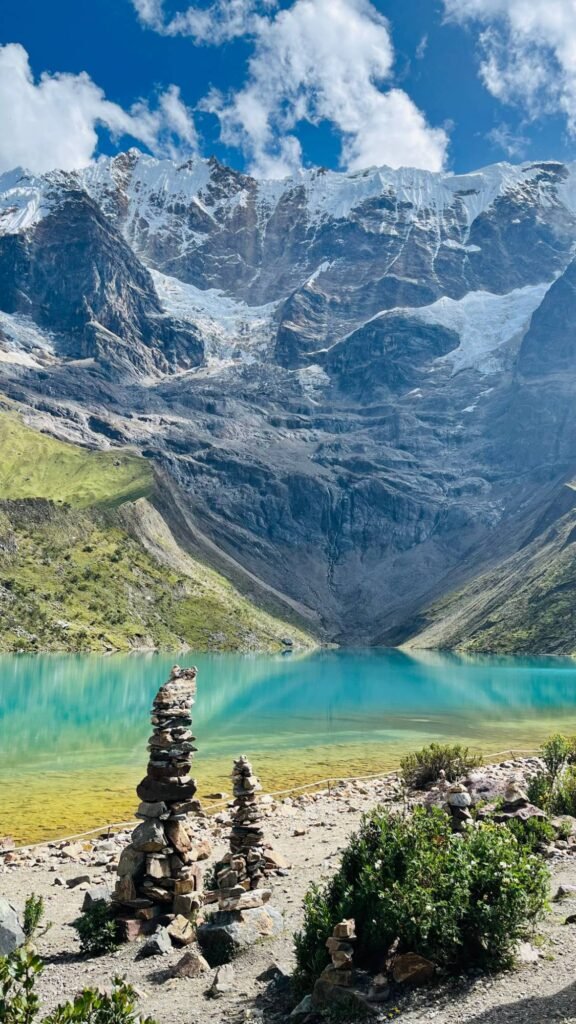
- One day: Humantay Lake, leaving early because mornings usually have fewer clouds.
What to bring if it rains
- Waterproof jacket and pants (not just a poncho).
- Boots with good grip and spare socks in a dry bag.
- Waterproof cover for your backpack and bags to protect your clothes.
- Thermal layers: humidity makes it feel colder.
- Trekking poles, which help in the mud.
The full gear list is in what to pack for the Inca Trail.
Tips for traveling in this season
- Book with a formal agency: they warn of route changes and carry a first-aid kit and oxygen.
- Be flexible with the itinerary; the weather rules.
- Start early: the morning is usually clearer.
- Bring patience and good humor: rain is also part of the Andean landscape.
If you are torn between the dry and the rainy season, read the best time to hike or tell us your dates and we will recommend the ideal route.
Frequently asked questions
Can you trek in Cusco in the rainy season?
Yes, but with more precautions. From November to March it rains more often, trails get slippery and views can be hidden by clouds. It is best to choose experienced routes and operators.
Is the Inca Trail open in the rainy season?
The Inca Trail closes every year in February for maintenance. The rest of the year it runs with a daily permit quota.
Which trek should I choose if I travel in February?
Salkantay and day hikes keep running. If you want Machu Picchu without hiking many days, the 2-day Machu Picchu and Sacred Valley tour is an alternative.
Is it cheaper to travel in the rainy season?
In general there is less demand and more availability. Service prices depend on each operator and route; check the current rate.